08/24/2025
By Kate Stone Lombardi
Published on Substack
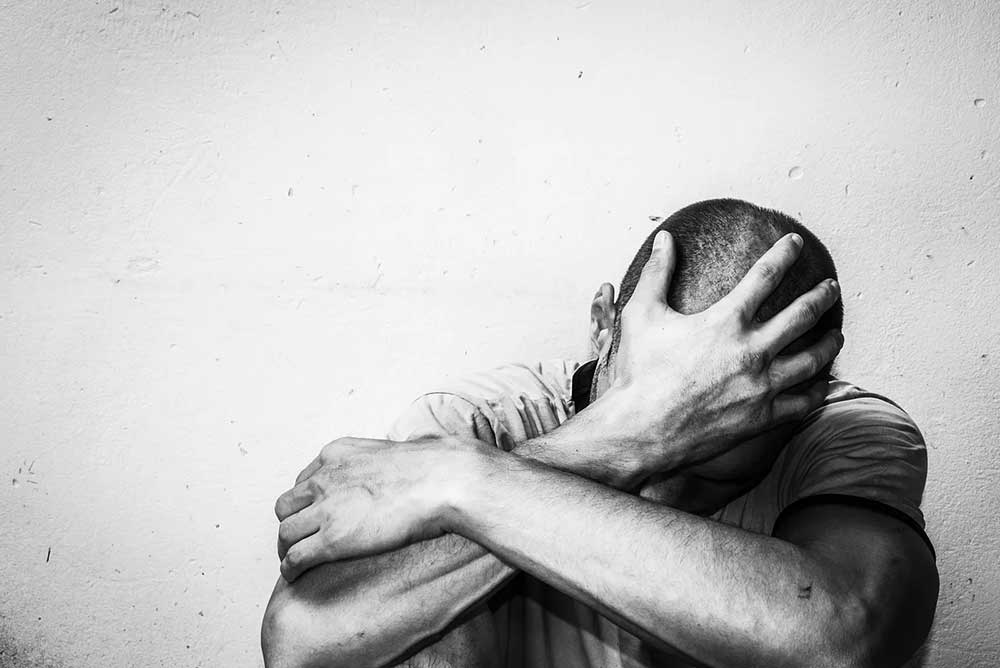
Every person I’ve ever met in prison is longing to get out. Yet I find myself wanting to go back in.
Back in February, Corrections officers in New York State staged a three-week wildcat strike. Things still aren’t back to normal – or at least as normal as they ever were. Roughly 2000 officers were fired for refusing to go back to work. Prisons remain woefully understaffed. The National Guard is deployed inside, but they are not trained to handle certain situations.
During the strike, all programs – including the one through which I teach – were closed down. So were other education and rehabilitation programs, family visits, escorts to medical visits and more. Six months later – due to the staff shortages – programs have reopened only sporadically at the 44 state-run correctional facilities.
I’ve been thinking about some of the men I taught years ago, still there, year after year, decade after decade.
Here’s an excerpt from a memoir class written a by V, who was serving 25 years to life.
“Being incarcerated is like being on another planet. You don’t need a shuttle to get there. You need wheels and metal. Metal on your wrists, metal around your ankles, and the smell of a gas truck to your clothing.
Being incarcerated is also the altering of many lives, from the victims to the family of victims, to my family, even my community. I cannot blame anyone but myself. I rejected, neglected, everything that I was taught.
Being incarcerated is like swimming against a tide in the Hudson River, where you have diapers, syringes, feces and all sorts of chemical waste clogging your mouth and face, not knowing what might stick to you.
Being incarcerated has resurrected my life of thoughts, my transformation to my new life and my new way of thinking.”
V was one of the few students whose crime I knew about. While all convictions and sentences are public record, I make it a point to never research what led to class members’ incarceration. But one day V brought me a copy of a years-old newspaper with a long, detailed article about his crime. It was gang-related. He wanted me to read it.
I wish I hadn’t.
The crime was heartless and brutal. It was also stupid, a revenge killing for a perceived insult to someone’s girlfriend. Note: V always claimed he was innocent, saying he was present but didn’t fire the gun.
In my classes, some men admit they are guilty while some maintain their innocence. A surprising number say they did not commit the crime that got them locked up, but had committed others.
I wondered why V wanted me to read about what he’d done. V was the class clown, always joking and laughing. His giving me that crumbing copy of the newspaper article felt like a test. Now how do you like me? Now do you want to talk to me about metaphors and similes?
I was haunted by what I learned. Unbidden images came to me at night – I pictured V’s victim, forced to lie face down on a cheap carpet, hearing the click of a weapon ready to fire, perhaps glimpsing a pair of dirty sneakers near his head, before the bullet blew a whole into his skull.
And the truth is, I was never able to look at V the same way.
V is just one of dozens of people I taught, many of whom have done terrible things. If I found out the particular nature of each crime, I probably couldn’t walk into the classroom.
Does that mean I should quit this work? Some people tell me I’m naive about my students. As one correction officer never failed to tell me when he escorted me to the classroom: “You think they are so nice. But they’re wolves in sheep’s clothing.”
Do I think these men are nice? I don’t think that’s the right question.
I think they are human beings most of whom have victimized others and been victims themselves. These horrible crimes can’t be undone. But here’s the thing. Most of these men are coming home. In fact, V was paroled last year. He was a teenager when he was incarcerated. Now his dark hair is flecked with silver.
Doesn’t it make sense to give these guys some skills – not to mention some vision of humanity and compassion – before they rejoin the community?
There are other populations I could work with. Over the years I’ve taught children in a homeless center (the kids were mostly in it for the free cookies and milk) and suburban ladies at a writing center (you’d be surprised what goes on in those lovely houses).
But for whatever reasons, I’m drawn to teaching in prisons. And crazy at it seems, I want to get back inside.
